
Practical Ways to Reduce Food Waste at Home

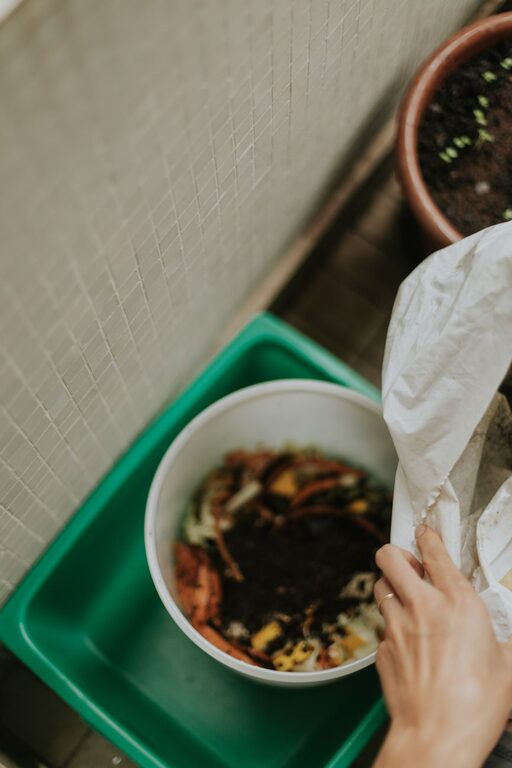
Reducing food waste at home is beneficial not only for your wallet but also for the environment. When we throw away food, we’re also wasting the resources used to produce it—water, energy, and labor. Fortunately, there are many simple strategies you can implement to cut down on food waste and make the most of the groceries you buy. This post explores practical tips to help you reduce food waste in everyday life.
Why Reducing Food Waste Matters
Food waste contributes significantly to landfill mass, where it generates methane, a potent greenhouse gas. By minimizing food waste, you reduce your carbon footprint and support a sustainable lifestyle. Additionally, wasting less food means you get better value from your grocery budget.
Plan Your Meals and Shopping
Make a Grocery List
Before heading to the store, take stock of what you already have and plan meals for the week. Creating a grocery list based on meals you intend to prepare helps avoid impulse buys and purchasing items that may go unused.
Shop with Portion Control in Mind
Buying in bulk can be economical, but only if you can use the food before it spoils. Consider your household size and eating habits. Smaller packages may be better for perishable items if you don’t consume them quickly.
Smart Food Storage
Use Proper Containers
Storing food in airtight containers helps maintain freshness and reduces the chance of spoilage. Glass or BPA-free plastic containers with tight lids are good options.
Keep Foods Visible and Organized
Place newer items behind older ones in your fridge or pantry. This first-in, first-out approach encourages you to use ingredients before they expire.
Understand Storage Guidelines
Different foods require different storage conditions. For example, some fruits like apples keep better in the fridge, while others like bananas do not. Learning proper storage extends the life of your produce.
Use Leftovers Creatively
Repurpose Leftover Ingredients
Instead of discarding leftover vegetables, fruits, or cooked food, get creative. Use them in soups, casseroles, smoothies, or stir-fries. Even stale bread can be transformed into croutons or breadcrumbs.
Freeze Surplus Food
Many cooked dishes and raw ingredients freeze well and can be stored for later use. Label containers with dates to keep track.
Pay Attention to Expiration Dates
Understand Date Labels
“Best before,” “use by,” and “sell by” dates can be confusing. “Best before” indicates quality, not safety; food may still be fine after this date. Use your senses—look, smell, and taste—to judge if food is still good.
Prioritize Foods Near Expiration
When storing groceries, place foods that will expire soon in front so you use them first.
Compost Food Scraps
Even with careful planning, some food scraps are unavoidable. Composting transforms food waste into nutrient-rich soil, reducing landfill waste.
Start a Home Compost Bin
You can compost vegetable peels, coffee grounds, eggshells, and more. Avoid meat and dairy scraps if using a basic compost bin.
Use Community Composting Services
Many cities offer composting programs where residents can drop off food scraps.
Educate and Involve Your Household
Share Tips with Family Members
Encouraging everyone in your home to be mindful of food waste creates a collective effort. Involve children by teaching them about food preservation and cooking.
Cook Appropriate Portions
Cooking too much food leads to leftovers that may be discarded. Use measuring tools and adjust recipes to suit your household size.
Final Thoughts
Reducing food waste requires awareness and a few changes in routines. By planning meals, storing food properly, repurposing leftovers, and composting scraps, you can make a significant positive impact. These small steps not only preserve resources but also promote healthier habits and save you money.
Start with one or two tips today and build from there—every effort counts!