Simple Ways to Reduce Household Paper Clutter

Paper clutter is one of the most common challenges in maintaining an organized and peaceful home. From bills and receipts to mail and school papers, the amount of paper that can accumulate quickly may feel overwhelming. Fortunately, reducing household paper clutter is achievable with some simple habits and practical strategies. In this post, we’ll explore effective ways to cut down on paper clutter, helping you create a tidier and more manageable environment.
Why Reducing Paper Clutter Matters
Paper piles aren’t just an eyesore—they can cause stress, waste time searching for documents, and even lead to missed deadlines. By cutting down on paper clutter, you improve your home’s organization, streamline daily tasks, and create a calmer living space.
Start with a Paper Audit
Before diving into decluttering, it’s helpful to understand what kind of paper is accumulating in your home. Take a look through your mail, receipts, schoolwork, and miscellaneous papers. Categorize items into groups such as:
– Important documents (tax forms, legal papers)
– Bills and statements
– Junk mail and advertisements
– School and kids’ papers
– Notes and reminders
– Receipts and warranties
Knowing what you have will help you decide what to keep, file, or toss.
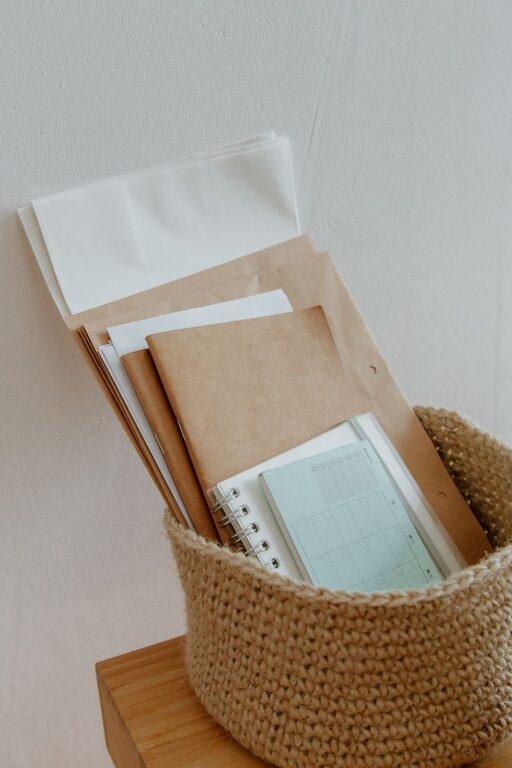
Create a Dedicated Paper Station
One simple way to manage incoming paper is to set up a designated spot for all paperwork. This could be a tray, basket, or small filing system placed near the entryway or where mail is usually dropped. Having a specific space helps prevent papers from spreading all over the house.
Adopt the “Touch It Once” Rule
Dealing with paper immediately as it enters your home can save a lot of time and clutter buildup. When you bring in mail or paperwork, handle it right away by:
– Sorting it into “keep,” “action,” or “recycle” piles
– Filing important documents
– Shredding or recycling junk mail
– Scheduling time to deal with action items
This habit reduces the chance that papers pile up and get forgotten.
Go Paperless Whenever Possible
Many companies and services now offer paperless options, which can dramatically reduce your incoming paper. Consider:
– Switching to electronic bills and bank statements
– Using digital receipts when available
– Subscribing to digital newsletters instead of print versions
– Scanning important documents and storing them securely on your computer or cloud
Going digital not only cuts clutter but also makes it easier to access documents when you need them.
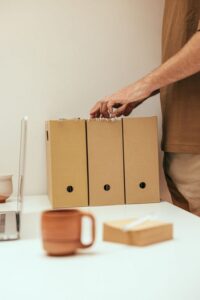
Use a Simple Filing System
For papers you must keep, an easy filing system helps keep things organized without overcomplicating the process. Here are some tips:
– Use labeled folders or expandable files for different categories (e.g., taxes, medical, home)
– File documents regularly to prevent backlog
– Purge files yearly by removing outdated or unnecessary papers
The goal is to keep your filing system straightforward so you won’t avoid using it.
Manage Kids’ Papers Creatively
Children’s artwork, school assignments, and permission slips can quickly add to clutter. Consider these approaches:
– Display favorite pieces temporarily on a bulletin board or fridge
– Photograph or scan artwork before recycling originals
– Use a dedicated box or folder for important papers
– Communicate with your kids about what to keep and what can be let go
Encouraging children to participate in managing their papers builds good habits.
Minimize Paper with Smart Shopping
Some paper clutter comes from packaging, coupons, and print ads. To reduce this:
– Use reusable shopping lists on your phone or a whiteboard
– Opt out of receiving promotional mail when possible
– Reduce paper use by printing only when necessary
Being mindful about paper use outside the home supports your clutter-reduction goals.
Regular Decluttering Sessions
Keeping paper clutter under control requires ongoing effort. Schedule time every few weeks or monthly to:
– Empty your paper station and file or discard items
– Review your digital files and back up important info
– Shred sensitive documents you no longer need
Consistency is key to maintaining a clutter-free space.
Keep Essential Tools Handy
Having the right tools nearby can make managing paper less of a chore. Consider keeping these within reach:
– A shredder for sensitive documents
– A recycling bin for unwanted papers
– Basic office supplies like folders, labels, and a pen
When you have the right tools ready, processing paper becomes faster and more efficient.
Final Thoughts
Reducing household paper clutter is a manageable process when you break it down into simple steps and maintain good habits. By auditing your papers, setting up a system, going paperless where possible, and regularly decluttering, you can enjoy a more organized, peaceful home environment. Remember, the key is consistency and making paper management part of your routine. Give these tips a try and see how much clearer your space—and mind—can become!