
Beginner Guide to Mindful Walking: Steps to Calm and Clarity

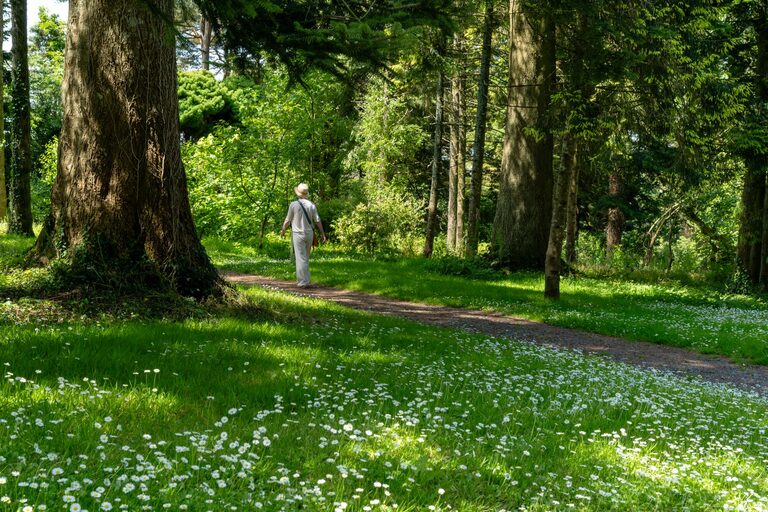
Introduction to Mindful Walking
Mindful walking is a simple yet powerful practice that combines movement with mindfulness, helping you stay present and calm throughout your day. Unlike regular walking, mindful walking encourages you to focus on your body, breath, and surroundings in a gentle, non-judgmental way. Whether you are out for a stroll or moving between tasks, mindful walking can help reduce stress, improve mental clarity, and enhance overall well-being.
—
What Is Mindful Walking?
Mindful walking is a form of meditation. Instead of letting your mind wander or rushing through your steps, you deliberately bring your attention to the physical sensations of walking. This includes noticing how your feet touch the ground, how your legs move, and the rhythm of your breath.
The goal is not to walk faster or farther but to walk with awareness and kindness toward yourself. This practice helps ground you in the present moment, making it easier to let go of worries and distractions.
—
Benefits of Mindful Walking
Practicing mindful walking regularly offers many benefits, such as:
– Reduced stress and anxiety: Mindful walking helps calm the nervous system and promotes relaxation.
– Improved focus and concentration: Bringing awareness to your steps can train your brain to stay focused.
– Enhanced mood: Being mindful and outdoors can boost feelings of happiness and peace.
– Better physical health: Walking is good exercise, and mindful walking encourages good posture and body awareness.
– Connection with nature: If practiced outside, it allows you to notice and appreciate your environment more deeply.
—
How to Start Mindful Walking: A Step-by-Step Guide
Starting mindful walking is easy and requires no special equipment. Here’s how you can begin:
1. Choose Your Walking Space
Find a quiet place where you feel safe and comfortable. This can be a park, a quiet street, your backyard, or even indoors if necessary. Minimal distractions help you focus, especially when you’re just starting.
2. Stand Still and Breathe
Before you start walking, stand still for a moment. Close your eyes if you’d like, and take three slow, deep breaths. Feel your body grounding into the earth and notice any tension or tightness.
3. Begin Walking Slowly
Start walking at a natural, relaxed pace. Pay attention to the movement of your feet. Notice how your heel touches the ground first, then the sole, and finally your toes as you take each step.
4. Focus on Physical Sensations
As you walk, tune in to:
– The feeling of your feet lifting and touching the ground.
– The movement of your legs and hips.
– The shifting of your weight.
– The rhythm of your breath.
– The sounds around you, such as birds, wind, or footsteps.
5. Use Your Senses
Engage your senses by noticing:
– Sight: Colors, shapes, light, and shadows.
– Sound: Environmental sounds near and far.
– Smell: Fresh air, flowers, or earth.
– Touch: The breeze on your skin or the temperature.
6. Return Gently When Distracted
It’s normal for your mind to wander. When you notice this, gently bring your focus back to the sensation of walking and your breath without judgement.
7. Set a Time or Distance
Begin with 5 to 10 minutes of mindful walking. As you get comfortable, you can extend the time or include it as part of your daily routine.
—
Tips for a Successful Mindful Walking Practice
– Wear comfortable shoes that allow you to feel your connection to the ground.
– Practice at different times of day to notice how your environment changes.
– Combine mindful walking with other mindfulness practices like deep breathing or body scans.
– Keep a journal to record your experiences and any changes in mood or focus.
– Invite a friend or family member to join you to make it more enjoyable.
—
Mindful Walking Variations
To keep your practice interesting, try different approaches:
– Walking meditation circuit: Walk in a small circle or back and forth in a defined space.
– Nature walk: Choose a park or natural setting to connect with nature.
– Walking with affirmations: Silently repeat positive phrases or intentions as you walk.
– Focused walking: Concentrate on one aspect at a time, such as breath or footfall.
—
Common Challenges and How to Overcome Them
– Restlessness: Start with very short sessions and gradually increase as you grow more comfortable.
– Distractions: Acknowledge them non-judgmentally and gently bring your attention back.
– Physical discomfort: Adjust your pace or posture to reduce strain. Consult a healthcare professional if needed.
– Impatience: Remember that mindfulness is a skill developed over time. Be patient and compassionate with yourself.
—
Conclusion
Mindful walking is a wonderful way to cultivate calmness, clarity, and connection in your daily life. It requires no special tools or training—just your willingness to slow down and pay attention. By integrating mindful walking into your routine, you can experience greater mental balance and physical wellness. Start small today and enjoy each step on your journey to mindfulness.
—
Additional Resources
If you want to explore mindful walking further, consider checking out guided walking meditations available through apps or online platforms. Many mindfulness teachers also share tips and techniques on podcasts and YouTube channels devoted to meditation and wellness.
—
Happy walking!